
Trusted by local business to billion dollar brands.
Prepare for AI search by improving the website your customers already use: clear service information, accessible pages, genuine evidence and direct answers to buying questions. This guide gives Australian businesses a practical order of work for Google search experiences and ChatGPT search.

Start with the questions your customers ask before choosing a supplier. Make sure your website explains the relevant service, who it suits and where you deliver it. Add specific project evidence, check that the important pages are accessible and keep business information consistent across your website and credible external sources.
Then review a repeatable set of prompts: whether your business is mentioned, which sources are cited and where competitors appear instead. Use those gaps to prioritise improvements. The checklist below explains the foundations; our ChatGPT SEO and AI visibility service puts the work into practice and connects enquiries to replies and CRM follow-up.


Start with one service that matters commercially. Read its page as a new customer: can you tell who it is for, what is included, where it is available, why the business is credible and what to do next?
Our approach is to fix gaps in that journey before producing a large library of new pages. The steps below combine technical checks with content improvements and evidence from your own business.
Written by Click Road. Reviewed 12 November 2026. Click Road is a member of the OpenAI Partner Network. For implementation support, explore ChatGPT SEO and AI visibility or see SEO and AI search optimisation.
Check that the important pages load, can be discovered from internal links and are intended to appear in search. Ask your website team to investigate accidental indexing restrictions or hosting blocks.
Give each core service a clear purpose. Explain the offer, suitability, delivery process and coverage in ordinary language, with useful headings and answers that make sense on their own.
Add relevant projects, named people, genuine client feedback and original photographs. Explain what changed and the context of a result rather than relying on broad claims about being the best.
Record a starting point for important queries, pages and qualified enquiries. Keep a dated change log so future reviews can connect improvements with the work completed.
Google says its established SEO foundations also apply to AI Overviews and AI Mode. Supporting pages need to be indexed and eligible for a search snippet; special AI markup or a new AI text file is not required. Useful checks include crawl access, internal links, visible text and structured data that matches the page. Read Google’s guidance on AI features and websites.
For ChatGPT search, OpenAI identifies OAI-SearchBot as its search crawler and recommends allowing it through robots.txt and hosting controls. This is separate from GPTBot, which relates to model training. Ask your website provider to review the current settings against OpenAI’s crawler documentation.
For a practical first pass, list your homepage, main service pages and strongest case studies. Check the live version of each and record any unexpected redirects, missing pages or access problems for repair.
Build the page around a buyer’s decision, rather than repeating a keyword. A useful service page explains what the service does, who it suits, what is included, what affects cost, how delivery works and what the customer needs to provide.
Use an opening paragraph that gives the direct answer, then expand with examples and limitations. A short question-and-answer section can address genuine objections, but it should add information rather than repeat the introduction.
For an Australian audience, make service areas, currency, terminology and contact details unambiguous. State where your team is based and how you support other regions. Do not imply an office in every city you serve.
A case study should explain the starting problem, what you changed and the observed outcome. Include a real business name and relevant photos where you have permission, and distinguish that result from what another customer should expect.
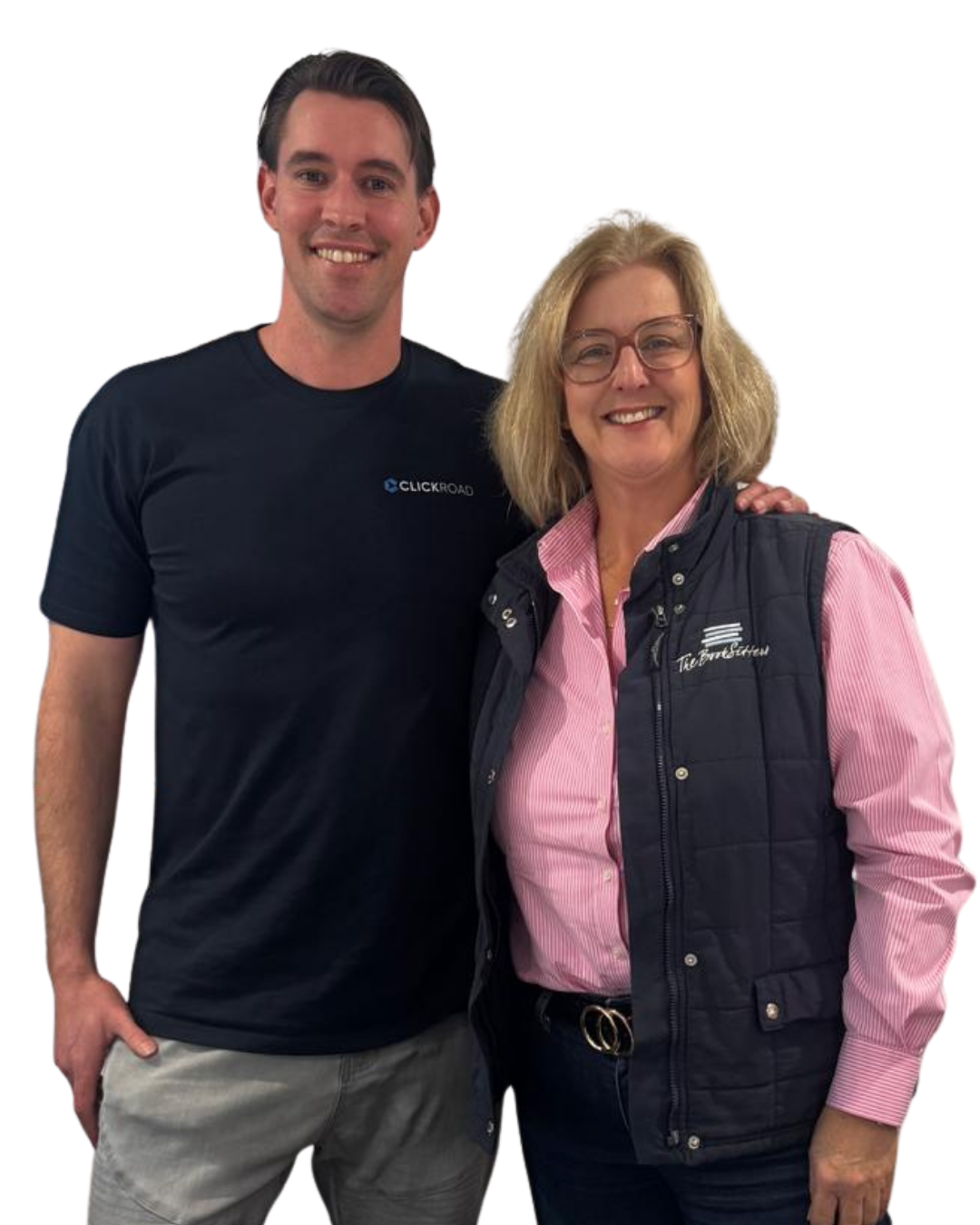
For The Book Sitters, the published Click Road case study describes lost local rankings after a website rebuild. A technical rebuild restored local rankings within 30 days, followed by ongoing SEO, AI search and Google Business Profile work. The useful lesson is to protect the foundations when changing a site.
Read The Book Sitters case study. The PhysioZest project also shows how website improvements and local SEO can work together. These are project examples, not guaranteed outcomes.
Group services and supporting guides logically. Link a guide to the service it explains, and link a local service page back to its location overview. Use descriptive link text so readers know what they will find.
Keep one strong page for each main intent. If two pages answer the same question, review whether they should be combined instead of adding a third. Preserve valuable URLs when refreshing content and plan redirects carefully when a URL genuinely needs to change.
For example, a local SEO service page can explain delivery and local proof, while this guide answers the broader preparation question. Each should help the reader take a different next step.
Use Search Console to review the queries and pages gaining visibility, and analytics or your CRM to review what visitors do next. Google reports AI-feature traffic within its overall Web search performance, so that total should not be presented as a dedicated AI-only measure. See Google’s measurement guidance.
For your own AI-search reviews, keep a small set of realistic customer questions and record the date, wording, platform and sources shown. Treat the results as a sample. A single screenshot cannot establish a permanent ranking.
Review lead quality alongside traffic. If visitors arrive but do not enquire, check the offer, proof and form. If the wrong people enquire, improve the page’s suitability and coverage information.
Need help putting the work in order? Explore SEO Central Coast or tell us about your website below.
Working with ambitious Australian businesses
Tell us what is getting in the way. We will email you a link to book a call and work through the next steps together.